Septic system inspectors listed in Houston
See all 5 in Houston →- 1InterNACHI-certified inspectors
ABET Home Services is a family-owned home inspection and pest control company serving Greater Houston since 1979. It provides home, commercial property, sprinkler system, sewer scope, well, and septic inspections.
- 2Houston
Abracadabra Septic Pumping provides residential and commercial septic system services in Houston, Texas, and surrounding areas up to 50 miles. Established in 2004, it offers inspections, pumping, installation, repair, and maintenance services through state-certified technicians.
- 3Houston
Aero-Septic Maintenance Inc. has provided commercial and residential septic pumping, maintenance, repairs, and inspections since 1997. It serves homeowners and businesses in the Greater Houston area, including Waller, Magnolia, Tomball, Spring, and Cypress.
- 4Cypress
Brown Aerobic Septic Specialists provides septic inspection, installation, repair, pumping, maintenance, and excavation services for homeowners, builders, and businesses in the Greater Houston area. The company was started by Jerrial Brown in 1999 and is co-owned by Jerrial Brown and Rashaud Brown.
- 5Houston
Texas ProInspect provides residential property inspections for buyers, sellers, and real estate agents in Houston, San Antonio, and Austin. Its listed services include septic inspections, and it states that inspection reports with photos are delivered in less than 24 hours.
Get free quotes from septic inspection in Houston
Takes about a minute. Free, no obligation; providers reply to you directly.
A friend of mine bought a 3-acre property outside Katy three years ago. The home inspection checked out clean. The seller disclosed nothing. Six months later, standing water started pooling over the backyard drain field after every rain — which, in Houston, is basically every other Tuesday. The septic system was failing. The repair bill? Just over $14,000.
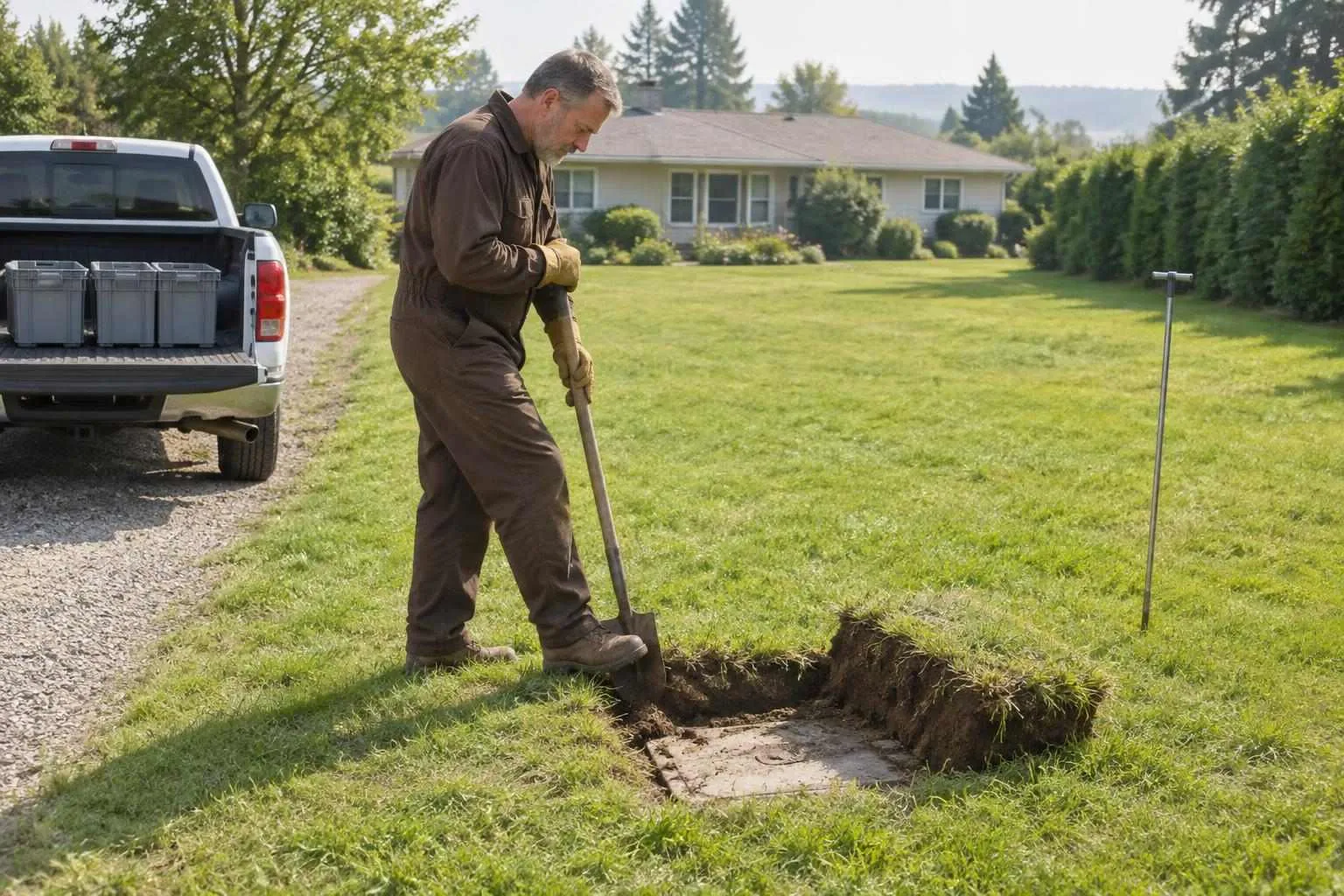
Nobody had actually inspected the septic system before closing. The home inspector glanced at the lid. That was it.
Houston’s combination of high groundwater, clay-heavy soil, and relentless rain makes septic systems here uniquely vulnerable — and uniquely easy to miss if you’re not specifically looking. Here’s what I found when I dug into who’s actually doing this work well.
The Short Version:For septic inspections in Houston, prioritize NAWT-certified inspectors with specific experience in Harris County’s soil and drainage conditions. Get written estimates, verify insurance, and don’t confuse a general home inspection with a dedicated septic inspection — they’re not the same thing.
Key Takeaways
- Houston’s high groundwater table and frequent rainfall make septic failures more common and harder to diagnose than in drier markets
- NAWT (National Association of Wastewater Technicians) certification is the credential to look for — not every home inspector has it
- The BBB lists 18 businesses for septic system work in the Houston metro; Thumbtack and Angi both surface 10+ rated contractors
- H-GAC (Houston-Galveston Area Council) offers funding assistance for failing systems — most homeowners have no idea this exists
Why Houston Is a Different Animal
Most septic guides talk about soil percolation tests and tank pumping schedules. Fine. But Houston adds two villain-level complications that most guides don’t mention: the groundwater is high, and it rains constantly.
When the water table sits close to the surface — which it does across large swaths of Harris, Montgomery, Fort Bend, Brazoria, and Galveston Counties — conventional drain fields can become saturated and stop processing waste effectively. Add a subtropical rainy season on top of that, and you’ve got a system working against physics on a regular basis.
Here’s what most people miss: an inspector who knows septic systems in Phoenix has exactly zero applicable experience for your League City property. Local knowledge isn’t a nice-to-have. It’s the whole ballgame.
The Inspectors Worth Knowing About
I’ll be honest — there’s no single definitive “best” list here, and anyone telling you otherwise is probably running an affiliate scheme. What I can do is walk through the credible options the research surfaces.
TurnKey Home Inspection (League City) comes up consistently as a dedicated septic inspection option for the greater Houston area, with 10+ years of experience and NAWT certification. NAWT-certified inspectors are trained specifically for onsite wastewater evaluation — this is the standard you want, full stop.
Grand Slam Home Inspections focuses on sewer scope inspections across five Houston-area counties using specialized camera equipment. Sewer scope is a separate but complementary service — if you’re buying a home with a septic system, you arguably need both.
GreenWorks Engineering & Design takes a more technical angle, offering environmental and engineering assessments alongside traditional home inspections. Worth considering for commercial properties or situations where you need documentation for permitting.
The BBB lists 18 businesses for septic system design and inspection in the metro, including Blackhorse Environmental (Magnolia), Anderson Septic Solutions (Conroe), and STW Engineering PLLC. For eastern Harris County and Chambers/Liberty County properties, Schuldt Construction out of Dayton has regional coverage that many Houston-centric firms don’t.
Pro Tip:Browse listings on the Houston directory page to compare local septic inspectors by service area, reviews, and credentials before making any calls.
What to Actually Ask Before You Hire
The Angi guidance here is worth repeating: get detailed, written estimates, and don’t pay in full upfront. That’s table stakes. But there are more specific questions worth asking:
| Question | Why It Matters |
|---|---|
| Are you NAWT certified? | The industry’s primary credential for wastewater inspectors |
| Have you worked in [specific county]? | Soil and drainage conditions vary significantly across the metro |
| Do you carry E&O insurance? | Protects you if they miss something during inspection |
| What does the report include? | Tank condition, baffle integrity, drain field status, repair timeline |
| Do you pump the tank as part of inspection? | A real inspection includes pumping — otherwise it’s just a visual |
| What’s your turnaround on the written report? | You need this before closing deadlines |
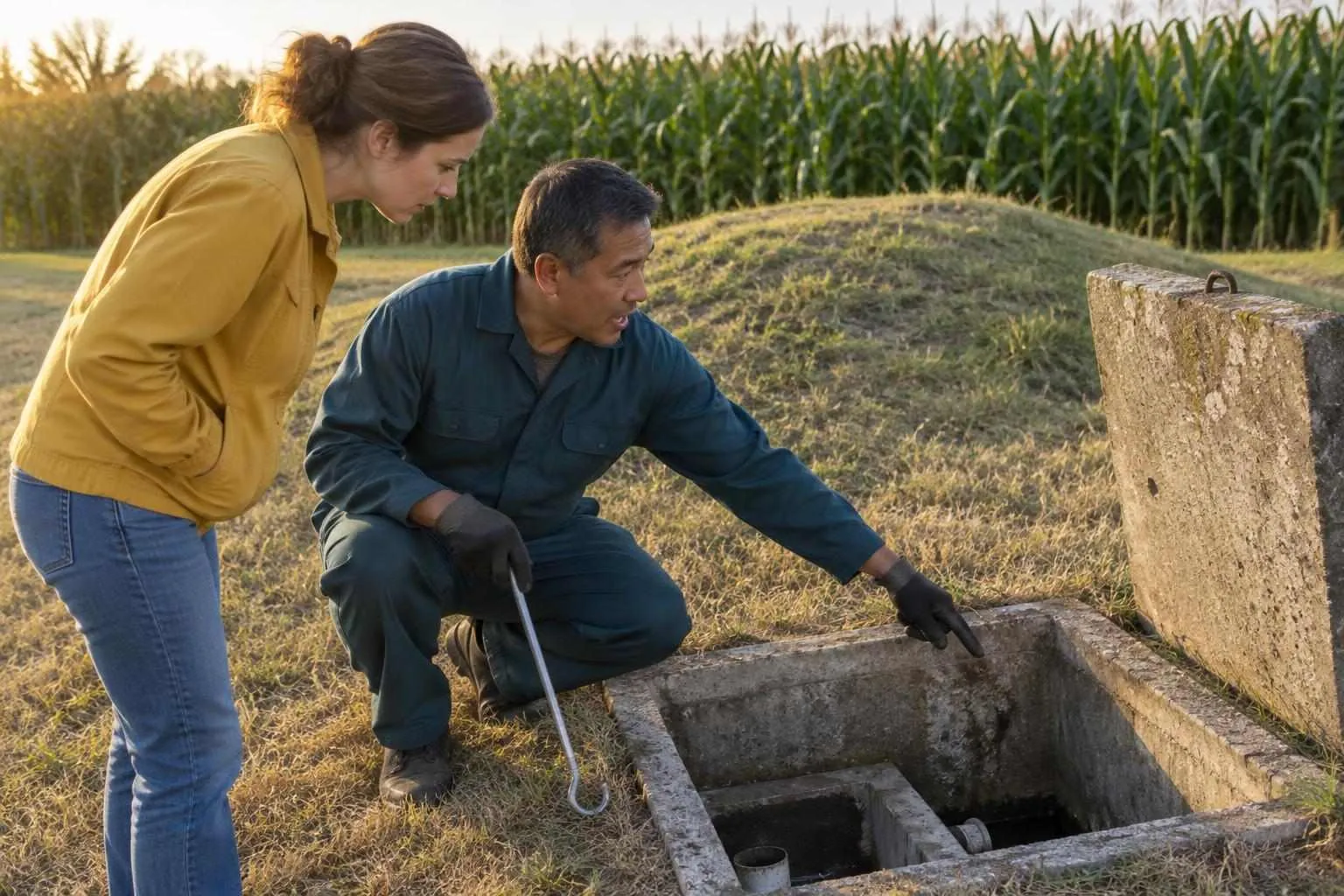
Reality Check:A $200 “septic inspection” that takes 20 minutes and produces no written report is not an inspection. It’s theater. A real inspection includes tank pumping, interior inspection, distribution box check, and drain field evaluation. Budget accordingly.
The H-GAC Funding Most People Don’t Know About
This is buried in most guides, but it’s genuinely useful: the Houston-Galveston Area Council has funding available for the repair or replacement of failing conventional septic systems and aerobic on-site sewage facilities in the region.
If you’re dealing with a system that needs major work — not just a pump-out — it’s worth contacting H-GAC before you commit to a repair quote. This is particularly relevant for older properties in unincorporated areas of the metro where aging systems are the norm.
Nobody tells you this. Now you know.
Aerobic vs. Conventional: Know What You Have
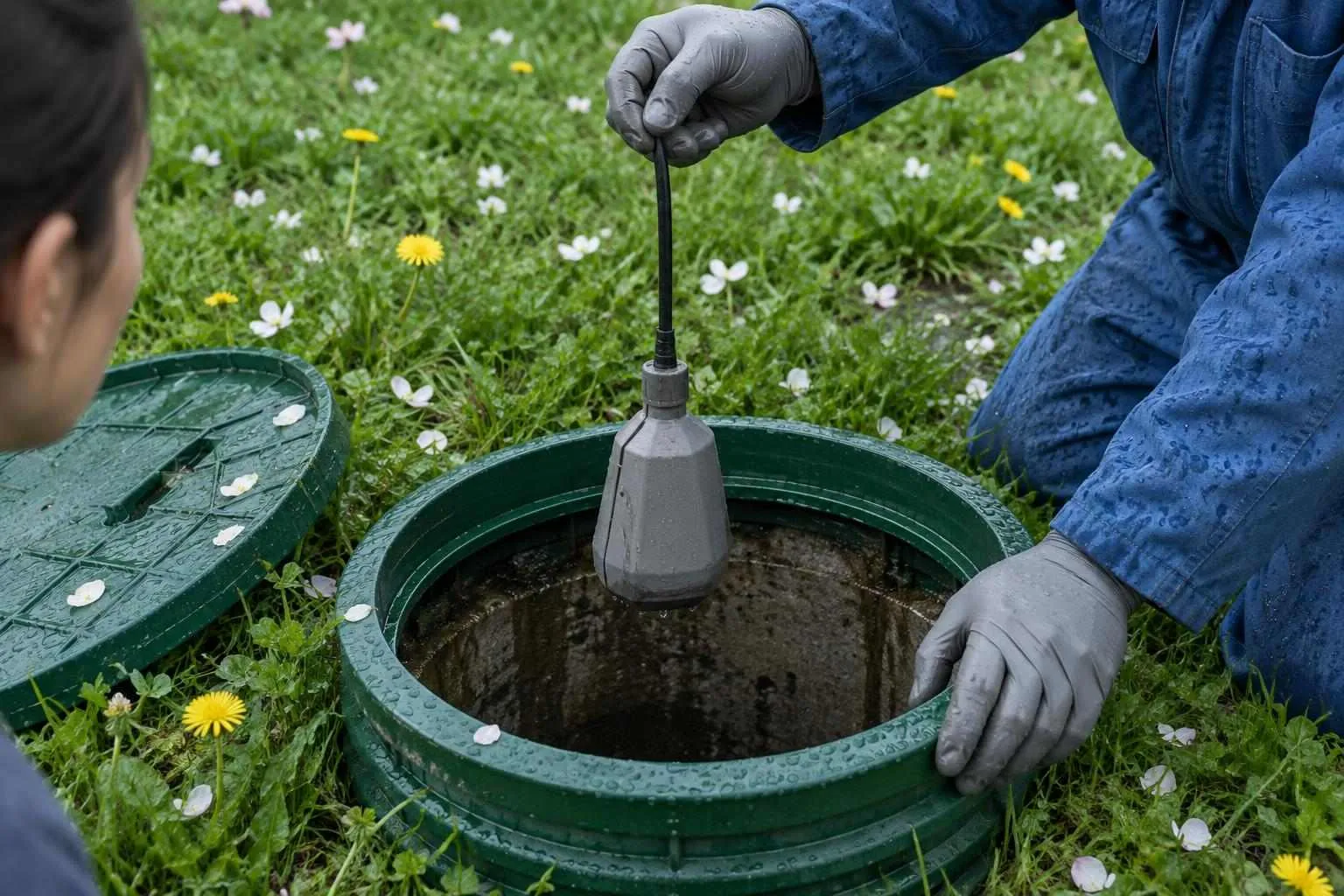
Houston has a higher-than-average density of aerobic treatment units (ATUs) compared to most of the country, largely because the soil conditions that make conventional systems problematic are common here. Aerobic systems are more complex, require regular maintenance (often under a service contract with a licensed provider), and need inspectors who understand the additional components.
Lange’s Aerobic Service, based in Franklin and serving the Houston region, is one of the specialized providers worth knowing if you have an aerobic unit. Many general home inspectors don’t have the training to properly evaluate an aerobic system — make sure whoever you hire has documented experience with the specific system type on your property.
For the full breakdown of what septic inspectors evaluate and when to hire one, read The Complete Guide to Septic System Inspectors.
Practical Bottom Line
Three moves to make right now:
-
Confirm the system type before you hire anyone. Conventional vs. aerobic vs. alternative system determines which inspectors are actually qualified to evaluate it.
-
Ask for NAWT certification and local county experience specifically — not just “Houston area.” Harris County inspections are different from Montgomery County inspections are different from Galveston County inspections.
-
If you’re pre-closing, don’t let the general home inspector sign off on septic without a dedicated inspection. The two services are not interchangeable. Your $400 upfront for a real inspection is cheap insurance against a $14,000 surprise.
Start with the Houston septic inspector listings to compare certified local options — read the reviews, check the service area, and get at least two written quotes before you commit.
Done reading? Get quotes from septic system inspectors in Houston.
Takes about a minute. Free, no obligation; providers reply to you directly.
Popular cities:
Nick built this directory to help homebuyers and homeowners find credentialed septic inspectors who provide unbiased evaluations — a conflict of interest he encountered firsthand when inspectors tied to pumping companies recommended costly repairs that an independent evaluator later deemed unnecessary.