

Septic System Inspectors in Columbus, OH
Compare curated septic system inspectors, check certifications, read reviews, and request quotes — all in one place.
No providers match this filter.
Providers with an office in the Columbus area, matched by the ZIP code of their published address.
Also in Ohio: Akron / Canton area (3), Dayton / Springfield area (1), Toledo area (1)
Need help choosing? Get matched with top providers in seconds.
0 providers selected
Are you a septic system inspector in Columbus? Already listed here: A & B Sanitation Inc, Be Ohio, Clear View Inspection Group and 1 more.
List your businessHow SepticTrust Works
Browse & Compare
View curated providers, check certifications, and read real client reviews.
Request Quotes
Select up to 5 providers and send your project details. Free, no obligation.
Book Your Septic System Inspector
Compare quotes, check availability, and book directly with the provider.
Finding a qualified septic system inspector in Columbus shouldn’t require a law degree and three referrals from a cousin — but here we are. The greater Columbus metro sprawls across Franklin County and into Delaware, Licking, and Fairfield counties, where tens of thousands of homes still run on private septic systems despite the city’s aggressive sewer expansion. Getting the wrong inspector on a transaction means a missed failed baffle or a drainfield that’s six months from collapse — and that becomes your problem the moment the deed transfers.
How to Choose a Septic System Inspector in Columbus
- Verify state licensing first. Ohio EPA and the Ohio Department of Health require septic system inspectors to hold a Sewage Treatment System (STS) contractor or inspector license under OAC 3701-29. Ask for the license number before you book — any inspector who balks at that question is telling you something.
- Look for NAWT CI or NOWRA credentials on top of the state license. Ohio’s minimum bar gets you compliance. NAWT Certified Inspector or NOWRA Certified Professional gets you someone who’s been tested on actual inspection protocols, not just paperwork.
- Ask specifically about drainfield evaluation method. A probe-and-visual is the baseline. Any inspector worth hiring in Columbus’s clay-heavy Franklin County soils should also be doing a dye test or hydraulic load assessment — clay soils drain poorly and fail quietly until they don’t.
- Confirm they pump the tank as part of the inspection. You cannot properly inspect a tank without pumping it. If the quote doesn’t include pumping or the inspector plans to “inspect around” the contents, find someone else.
- Get the turnaround time for the written report in writing. Real estate transactions in Columbus move fast — the market has been consistently competitive in areas like Westerville, Dublin, and Powell. A verbal summary at the curb isn’t a report. You need a written document with photos, condition ratings, and repair recommendations before your inspection contingency expires.
Pro Tip: Delaware County properties north of Columbus are disproportionately likely to be on septic — the county has seen massive residential growth in areas where municipal sewer hasn’t caught up. If you’re buying in Sunbury, Galena, or Lewis Center, assume septic and budget for a full inspection even if the listing doesn’t flag it.
What to Expect
A standard septic inspection in the Columbus area runs $300–700, with most full-service inspections (tank pumping included) landing in the $400–550 range depending on tank size, access difficulty, and whether dye testing is in scope. Turnaround on written reports is typically 24–48 hours from inspection date.
Reality Check: The cheapest quote almost always means one of two things — no tank pumping, or no written report with photos. Neither is useful to you. A $275 “inspection” that doesn’t include pumping isn’t an inspection; it’s a walkover. The $150 you saved will look different when the seller won’t negotiate a repair credit because your report doesn’t document the cracked distribution box.
Local Market Overview
Columbus sits in a unique position: a major metro where urban sewer coverage ends abruptly at the suburban fringe, leaving entire subdivisions in Pickerington, Groveport, and Canal Winchester on private systems that were installed in the 1970s and 1980s and are now hitting their functional lifespan. Ohio’s STS regulations under OAC 3701-29 require county health department oversight for system repairs and replacements, which means an inspection report that flags issues isn’t just a negotiating tool — it’s the first document in what can become a county-permitted remediation process. Hire an inspector who understands that workflow, not just one who can fill out a checklist.
Frequently Asked Questions
How much does a septic system inspector cost in Columbus?
Septic System Inspector services in Columbus typically run $300-700 per inspection, depending on scope, complexity, and turnaround requirements. Expedited work and specialized equipment add cost.
What should I look for in a septic system inspector?
Look for NAWT CI — it's the credential that separates qualified septic system inspectors from the rest. Also verify insurance, check reviews, and confirm they can handle your project's specific requirements.
How many septic system inspectors are in Columbus?
There are currently 4 septic system inspectors listed in Columbus, OH on SepticTrust.
What does "Sponsored" mean on a listing?
Sponsored providers pay for more prominent placement on pages where they already qualify to appear. Payment does not change a provider's location, credentials or reviews, and it is not an endorsement. All providers on SepticTrust — sponsored or not — are real businesses.
Septic system inspector Resources
The Complete Guide to Septic System Inspectors
A real septic system inspector opens the tank, measures sludge, and tests flow for 2–4 hours — not a 10-minute eyeball. Know what to demand before closing.
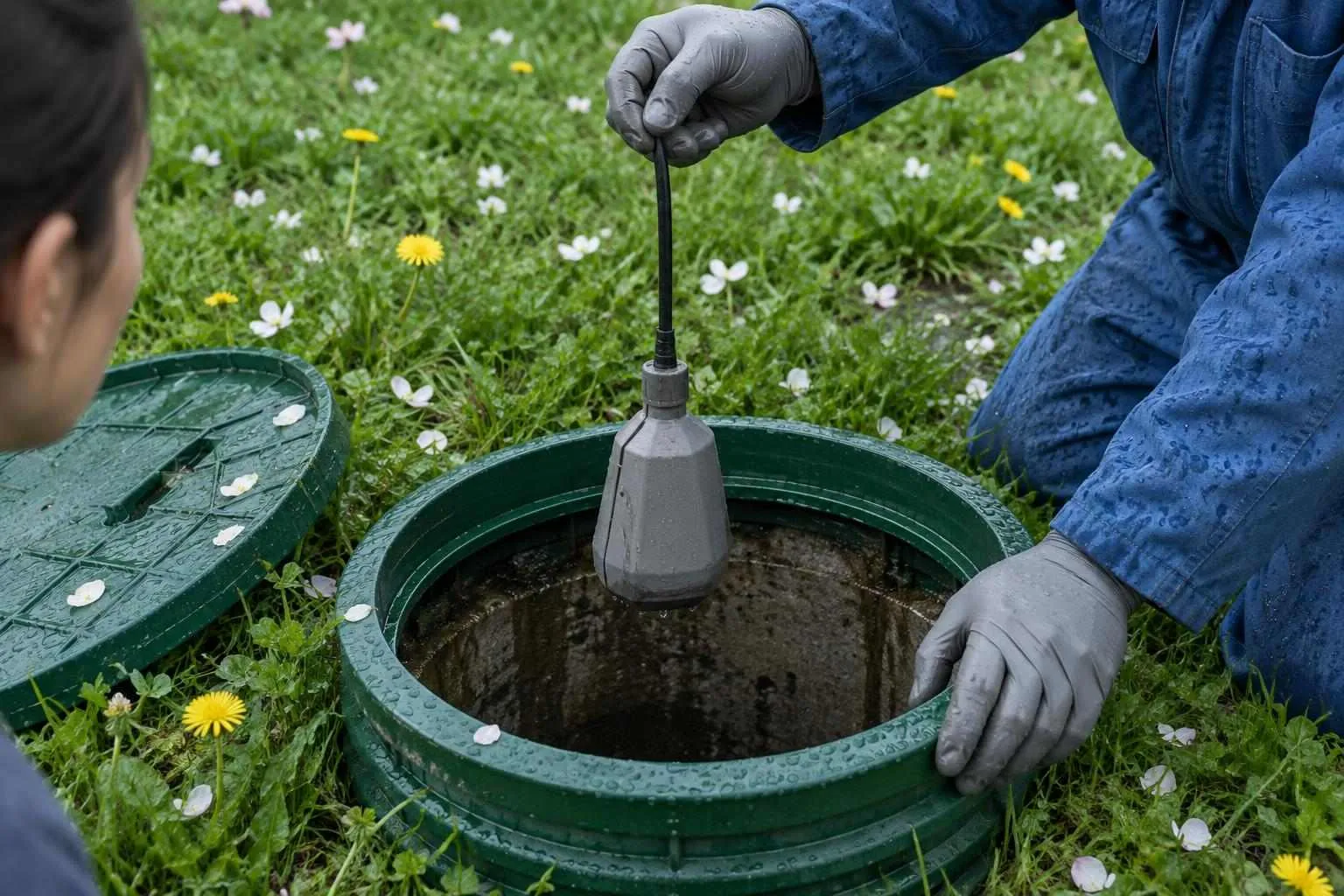
How Much Does a Septic System Inspector Cost? (2026 Pricing Guide)
Septic system inspector costs range $150–$650 — but the type you need matters more than location. See which tier fits your situation before you call.
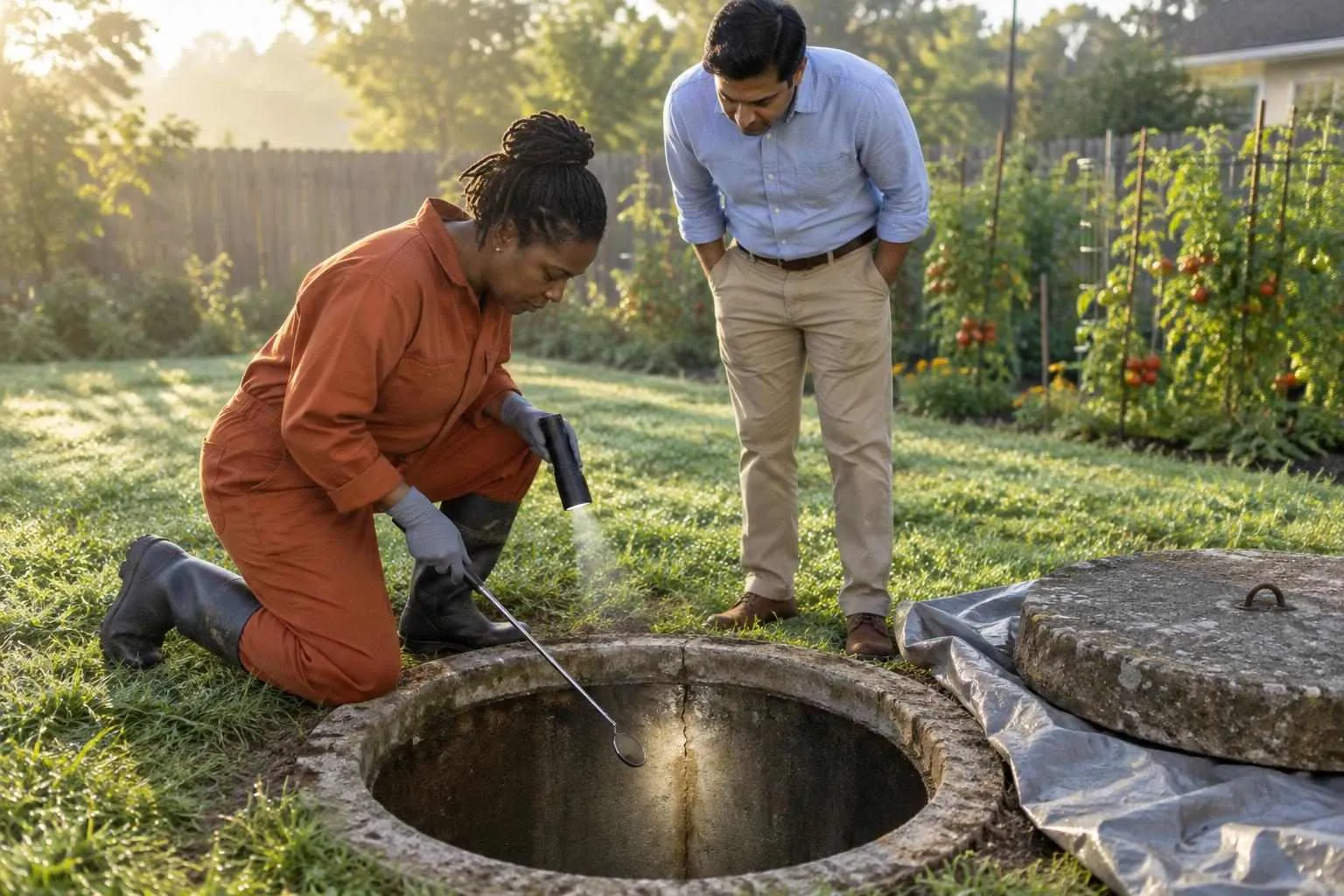
7 Red Flags When Hiring a Septic System Inspector (And How to Avoid Them)
Hiring the wrong septic system inspector cost one homeowner $11,000. Spot all 7 red flags before you sign — and know what a real inspection includes.
Looking for more? Browse our full resource library or find septic system inspectors in other cities.