

Office location not published
Service area: “Louisville, KY”
Published service area ↗Compare curated septic system inspectors, check certifications, read reviews, and request quotes — all in one place.
Map shows providers with a known office location. All providers are listed below.
No providers match this filter.
Providers with an office in the Louisville area, matched by the ZIP code of their published address.
Based outside the Louisville area, with Louisville named in the service area on their own website.
Office location not published
Service area: “Louisville, KY”
Published service area ↗Office location not published
Service area: “Serving Louisville Kentucky and Surrounding Areas”
Published service area ↗Need help choosing? Get matched with top providers in seconds.
0 providers selected
Are you a septic system inspector in Louisville? Already listed here: Bullitt Septic Service, Inc., Hartman Septic, Kentucky Septic Professionals and 4 more.
List your businessView curated providers, check certifications, and read real client reviews.
Select up to 5 providers and send your project details. Free, no obligation.
Compare quotes, check availability, and book directly with the provider.
Finding a qualified septic system inspector in Louisville shouldn’t feel like navigating a minefield — but between unlicensed contractors advertising “inspections” on Craigslist and real estate timelines that give you 72 hours to make a $500,000 decision, it often does. Jefferson County and the surrounding areas have a patchwork of both municipal sewer and private septic systems, which means the inspector you hire needs to know Kentucky regulations cold — not just the generic checklist.
Pro Tip: If you’re in a real estate transaction in Oldham, Bullitt, or Shelby County — all fast-growing Louisville suburbs with heavy septic density — specify upfront that you need a report the lender will accept. Some banks require the inspector to be on an approved vendor list. Confirm this with your loan officer before you book.
A standard septic inspection in the Louisville metro runs $300–700, with price varying based on system age, tank accessibility, and whether tank pumping is bundled in or billed separately by a subcontractor (it usually is). Budget 2–4 hours on-site, and expect a written report within 24–48 hours — most inspectors serving the real estate market know time kills deals and turn reports around fast.
Reality Check: The inspector who quotes you $150 is almost certainly not pumping the tank. Tank pumping alone costs $250–400 in Jefferson County — if the total inspection fee is below that, you’re getting a clipboard walk-around, not an inspection. The cheap quote looks attractive until you’re replacing a $15,000 drainfield two years after closing.
Louisville’s growth corridor — particularly the I-65 south corridor through Bullitt County and the eastern suburbs pushing into Oldham and Spencer counties — has some of the highest concentration of private septic systems in the state, many of them aging systems installed during the 1970s and 1980s building boom. Kentucky’s regulations on septic system transfers during real estate transactions are less prescriptive than neighboring states like Ohio, which means the burden falls on the buyer to commission a thorough inspection rather than relying on seller disclosure. In this market, a credentialed inspector isn’t a nice-to-have — they’re your only real protection between the offer and the closing table.
Septic System Inspector services in Louisville typically run $300-700 per inspection, depending on scope, complexity, and turnaround requirements. Expedited work and specialized equipment add cost.
Look for NAWT CI — it's the credential that separates qualified septic system inspectors from the rest. Also verify insurance, check reviews, and confirm they can handle your project's specific requirements.
There are currently 7 septic system inspectors listed in Louisville, KY on SepticTrust.
Sponsored providers pay for more prominent placement on pages where they already qualify to appear. Payment does not change a provider's location, credentials or reviews, and it is not an endorsement. All providers on SepticTrust — sponsored or not — are real businesses.
A real septic system inspector opens the tank, measures sludge, and tests flow for 2–4 hours — not a 10-minute eyeball. Know what to demand before closing.
9 common septic system inspector mistakes that cost homeowners thousands — from skipping drain field checks to hiring on price. Know what a real inspection…
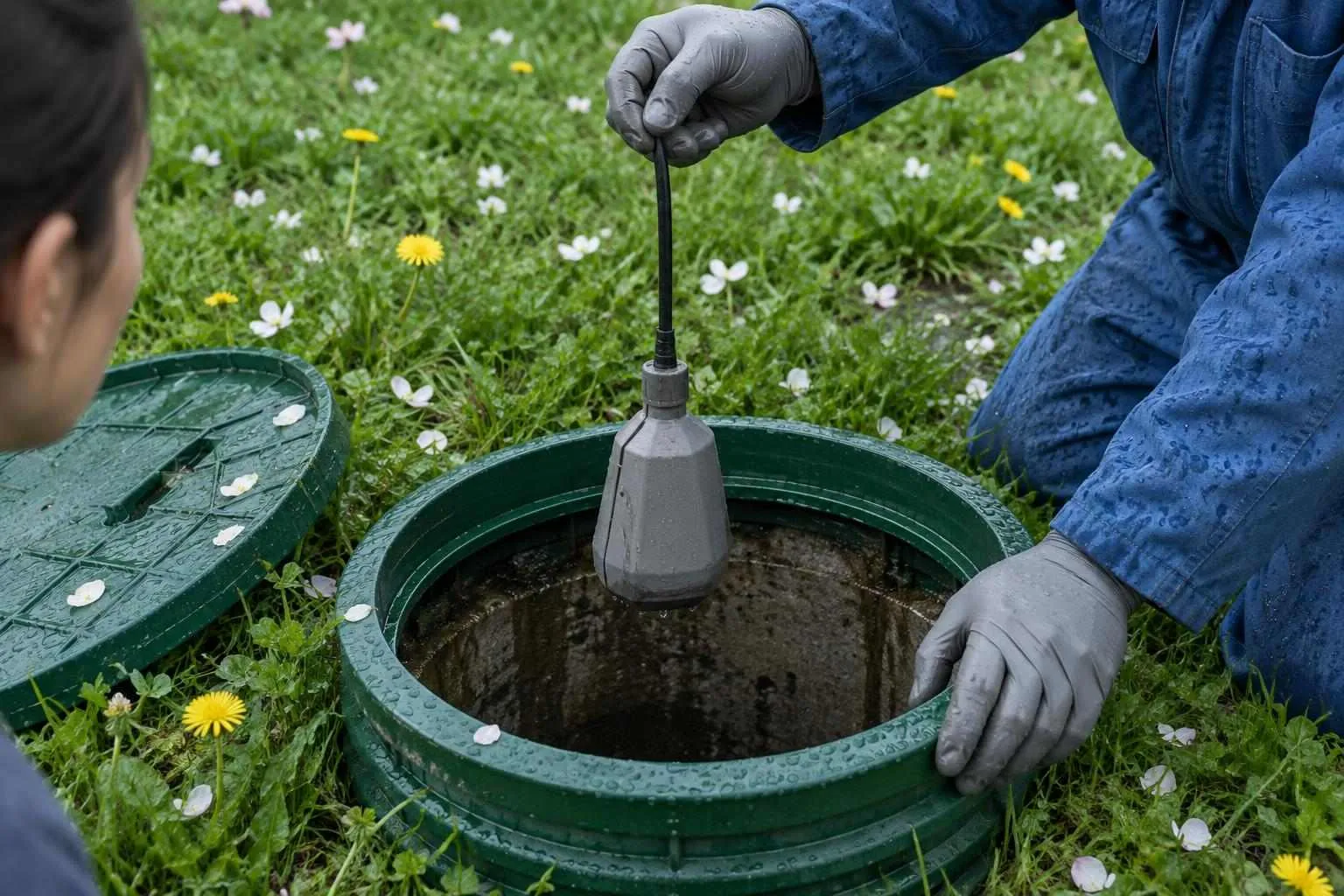
Septic system inspector costs range $150–$650 — but the type you need matters more than location. See which tier fits your situation before you call.
Looking for more? Browse our full resource library or find septic system inspectors in other cities.